
PRODUCT
‹
›
‹
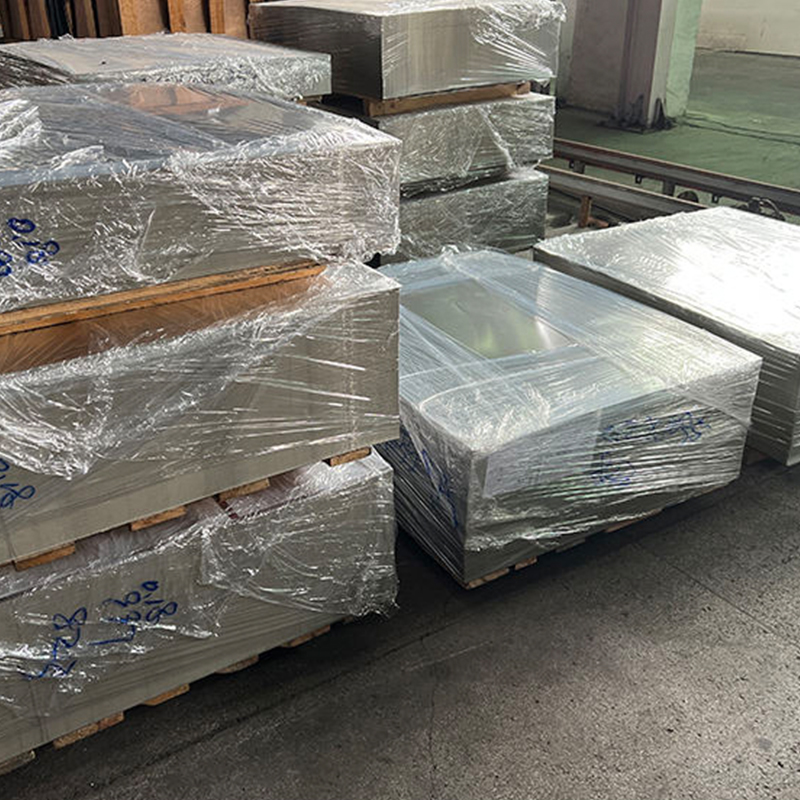
›
OVERVIEW
Definition and composition of tinplate (Electrolytic Tinplate, ETP)
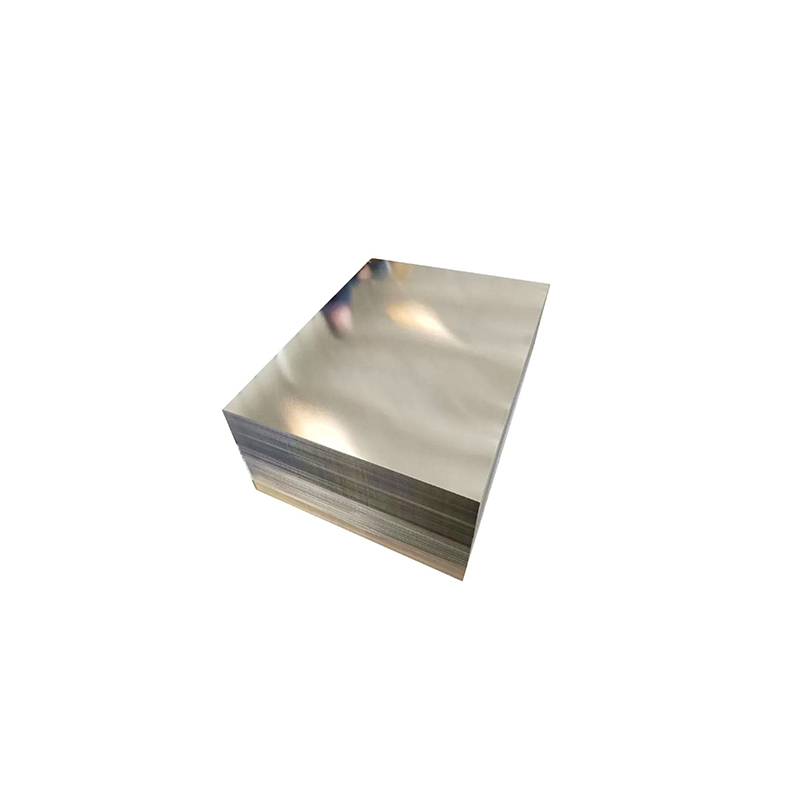
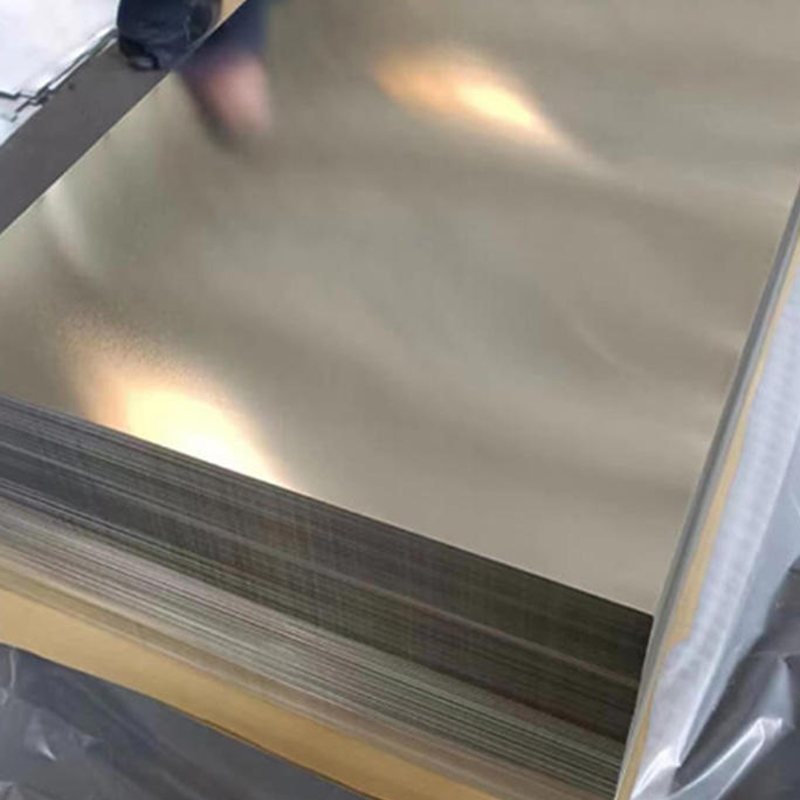
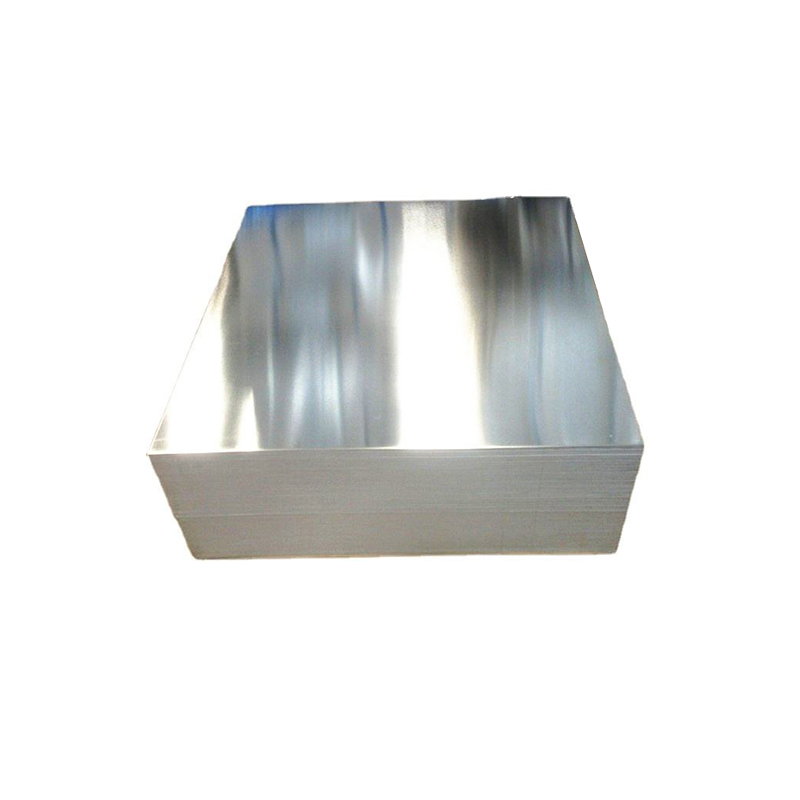
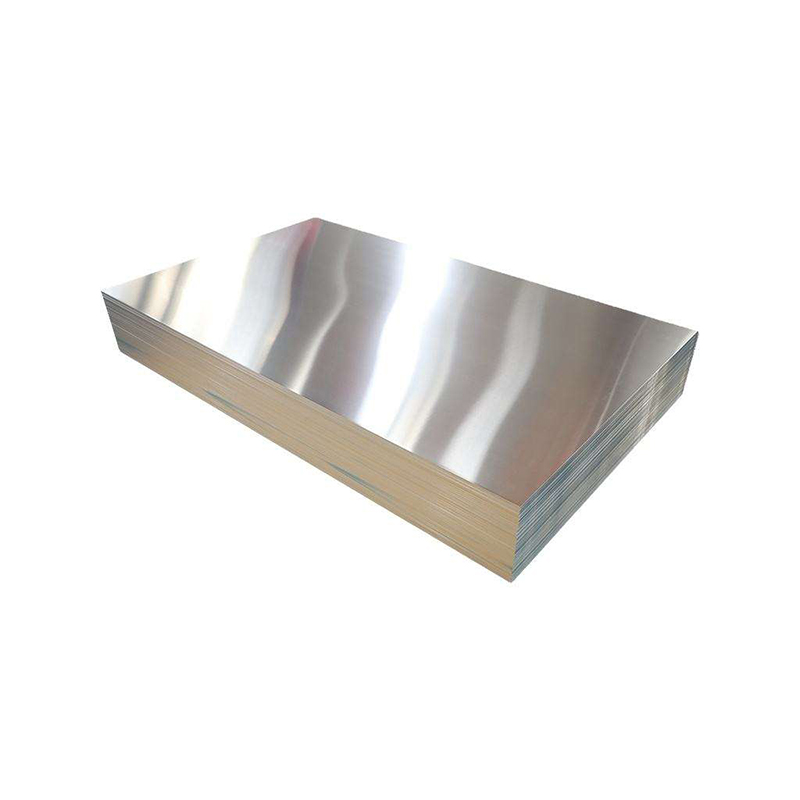
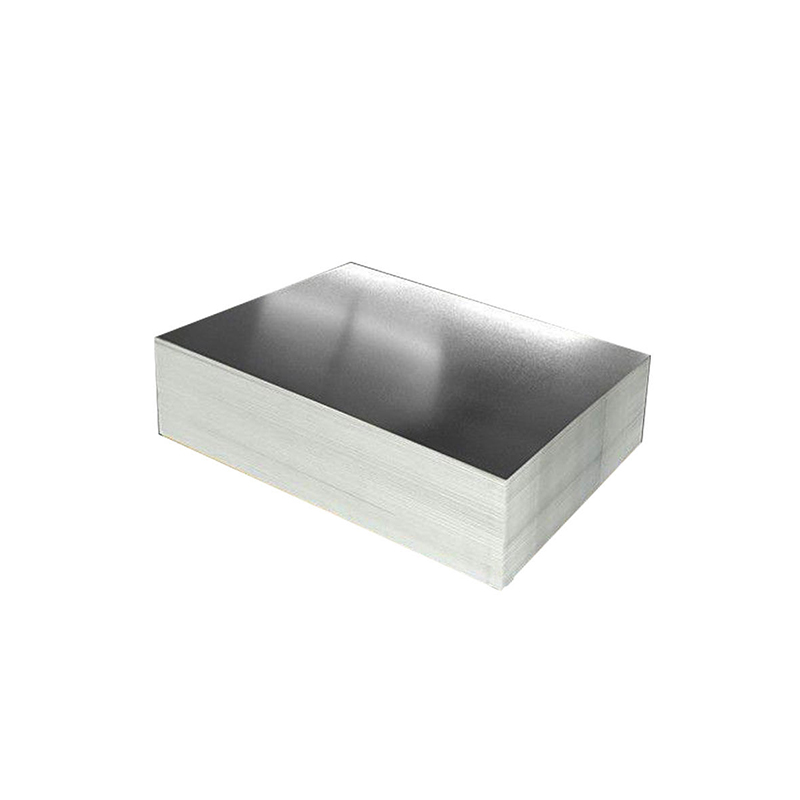
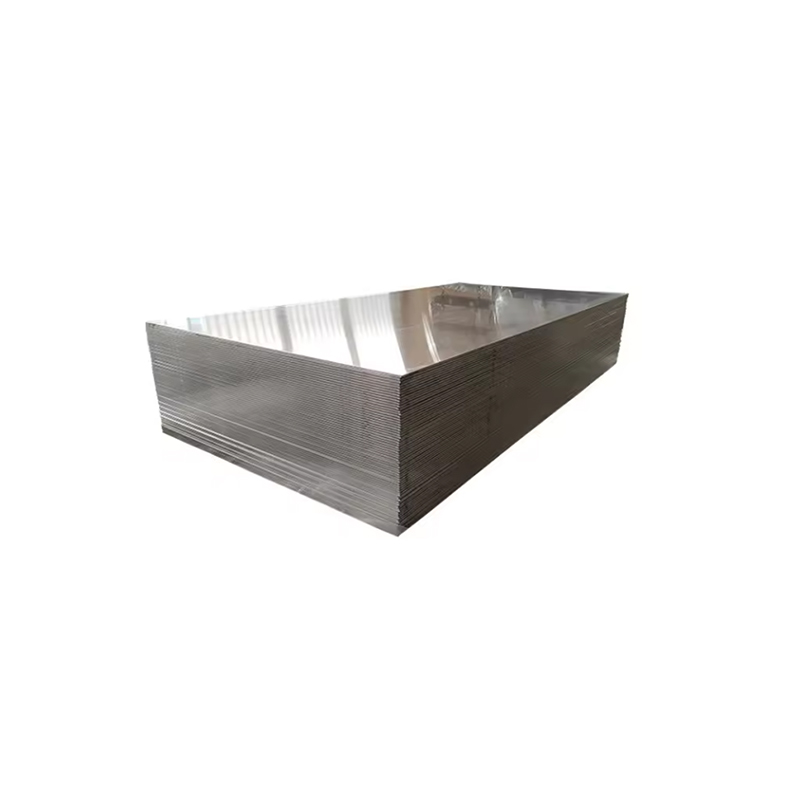
Tinplate, also known as electroplated tin steel plate, is a metal material with an extremely thin tin layer plated on the surface of cold-rolled low-carbon thin steel plate or steel strip. The full English name is Electrolytic Tinplate, abbreviated as ETP or TP. The thickness of the tin layer is usually between 1.1~15.1g/m², and the thickness of the substrate is relatively wide. The thickness of the substrate produced by the first cold rolling (SR) is generally 0.17~0.5mm, and the thickness of the substrate produced by the second cold rolling (DR) is 0.12~0.36mm. This material combines the high strength and good formability of steel with the corrosion resistance, weldability and beautiful appearance of tin. It has the characteristics of corrosion resistance, non-toxicity and good ductility.
Product Parameters
Surface State of Tinplate
Substrate Type
Coating Weight
Chemical Composition
Mechanical Properties & Applications
Analysis of the core characteristics of tinplate
1. Safety: Tin is non-toxic and not absorbed by the human body, which makes tinplate very suitable for direct contact packaging such as food and beverages.
2. Corrosion resistance: As an inactive element, tin is not easy to rust and corrode, and can effectively protect the steel substrate. The higher the tin plating amount, the stronger the corrosion resistance is usually. For example, for food cans containing acidic contents (such as canned oranges and yellow peaches) and with plain iron inside, it is often necessary to select high corrosion-resistant substrate steel (such as L steel, also known as K plate).
3. Processing and weldability: Tin has good ductility, and the steel substrate provides high strength and deformation ability, which is easy to process into various shapes; at the same time, the tin layer gives the material good welding performance.
4. Aesthetics and environmental protection: The surface of tinplate presents a silvery-white metallic luster, which can be printed and painted, and has both aesthetics; its finished products are easy to recycle and meet environmental protection requirements
Tinplate can be classified in various ways. The following are several common classifications:
1. Classification by rolling process
Single cold rolling (SR): The substrate is made by hot rolling and annealing after single cold rolling. The thickness is relatively thick, and the mechanical properties and processing properties are balanced. It is a common rolling process.
Secondary cold rolling (DR): The substrate is cold rolled once, annealed, and then cold rolled twice. It is thinner and stronger, which can effectively reduce the cost of canning. The overall usage ratio is increasing.
2. Classification by substrate type
MR: The most common steel grade, with less residual impurities in steelmaking, excellent mechanical properties and corrosion resistance.
L (K plate): A high corrosion-resistant tinplate substrate steel grade used to produce food cans with acidic contents and plain iron inside.
D (DI material): A high-processability tinplate substrate steel grade used to produce two-piece drawing cans.
SPCC: A Chinese specialty steel grade, produced from ordinary hot-rolled SPHC, usually used for miscellaneous can applications.
3. Classification by international standards: The international standards for tin plating and chrome plating are mainly Japanese, European and American standards. Japanese standards are the mainstream standards, such as JIS 3303, which is the standard for tin plating and substrates, and is generally accepted by customers around the world; European customers mostly require the European standard EN 10202, whose grade system is differentiated by yield strength, which is quite different from the Japanese standard differentiated by Rockwell hardness; the American standard is rarely used internationally because the United States basically does not export tinplate
Typical application areas of tinplate
Tinplate is widely used, mainly in the packaging field, and also involves a small amount of electronic uses. In terms of packaging, it is used in everything from food and beverage packaging (such as cans, beverage cans) to grease cans, chemical cans and other miscellaneous cans, which can provide good physical and chemical protection for the contents. For example, for canned fruit in syrup, some canned juices (except cherries, grapes and other canned vegetables containing anthocyanins) and some canned vegetables (except high-acid products such as pickles and ketchup), the reduction effect of stannous ions can be used to improve the color of the contents. At this time, the can body and bottom of the can are selected with a high tin plating amount (such as specifications with a high double-sided tin plating amount) and no coating is required
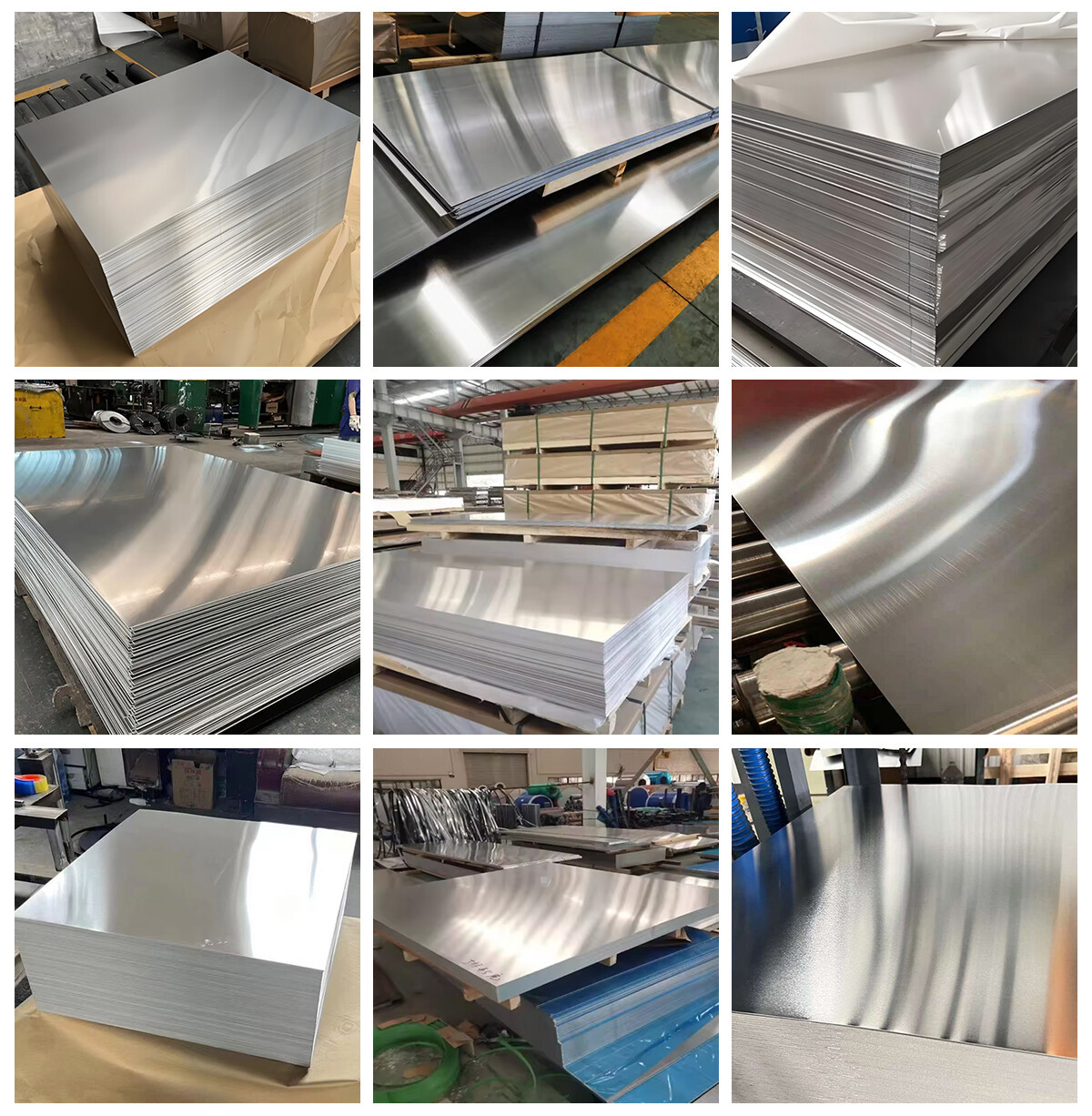
PRODUCT DISPLAY
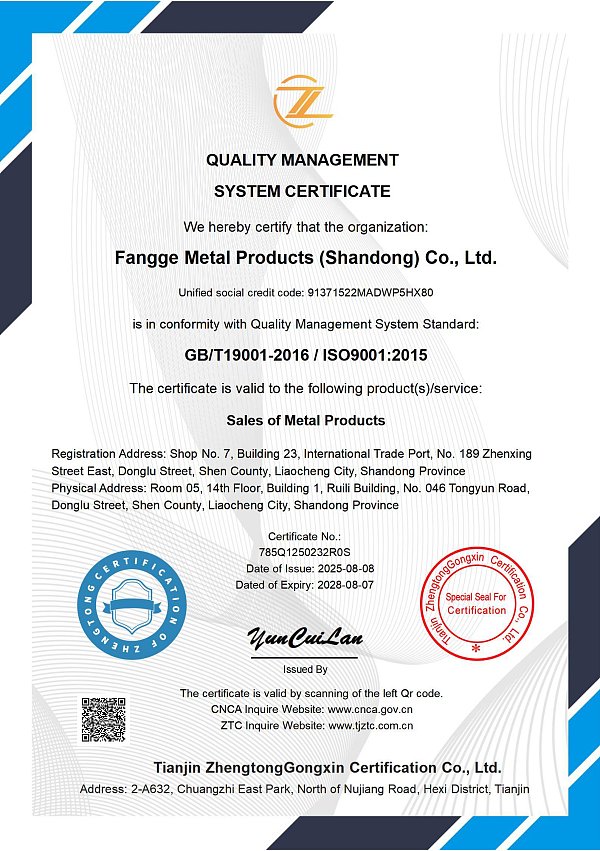
CERTIFICATE
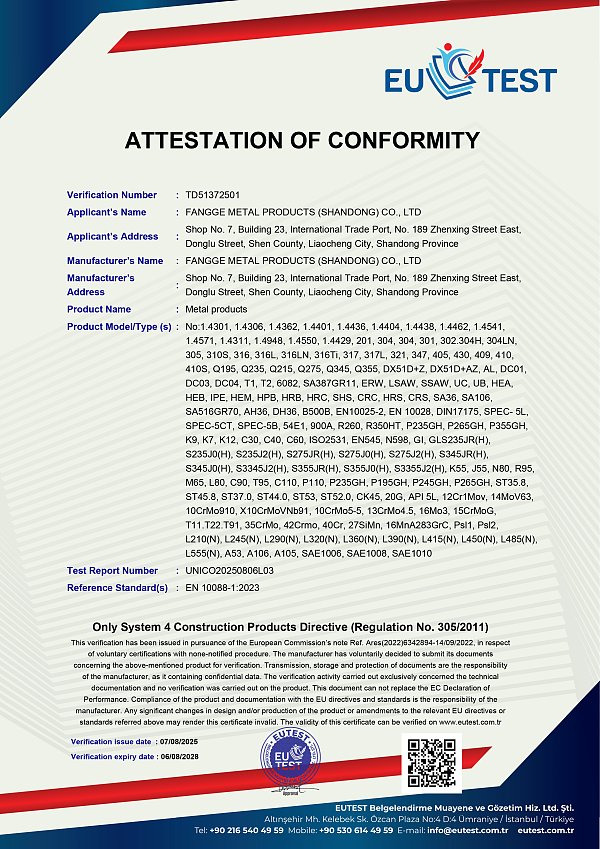
CUSTOMER FEEDBACK


FAQ
Q1: Are You Manufacture or Trade Company?
A1: We are the professional manufacturer of stainless steel, carbon steel, aluminum products located in Shandong province, China. Welcome to contact us and visit our factory before you place orders.
Q2: How do you guarantee the quality?
A2: We can send free samples to you, we can accept third-party testing.
We also have test certificate, every batch goods will be testing before shipment, and the testing report will delivery to you with your goods.
Q3: Can I get free samples?
A3: Of course you can. We can produce according to your samples or technical drawings. Contact us by whatsapp or email to get free samples and you will get the sample after 3-7 working days.
Q4: What is the MOQ?
A4: If you are scheduling to place a small quantity order or trial order, feel free to contact us, we can meet your requirements.
Q5: Can you OEM or ODM?
A5: Yes, we have a strong developing team. The products can be made according to your request
Q6:What are the certifications for your products?
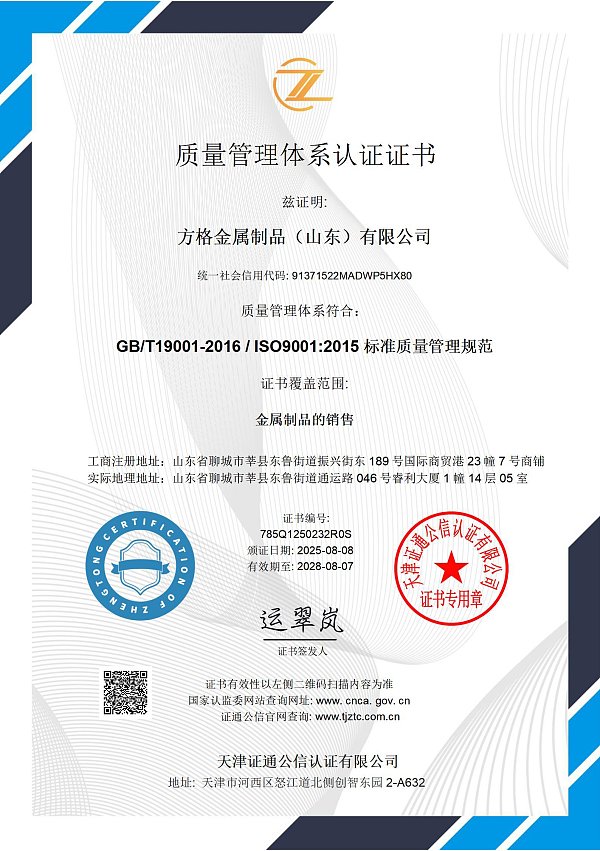
A6:We have ISO 9001, SGS, EWC and other certifications.
INQUIRY
To learn more about this product, you can submit your requirements here
RELATED PRODUCTS



Chat Online