
PRODUCT
‹
›
‹


›
OVERVIEW
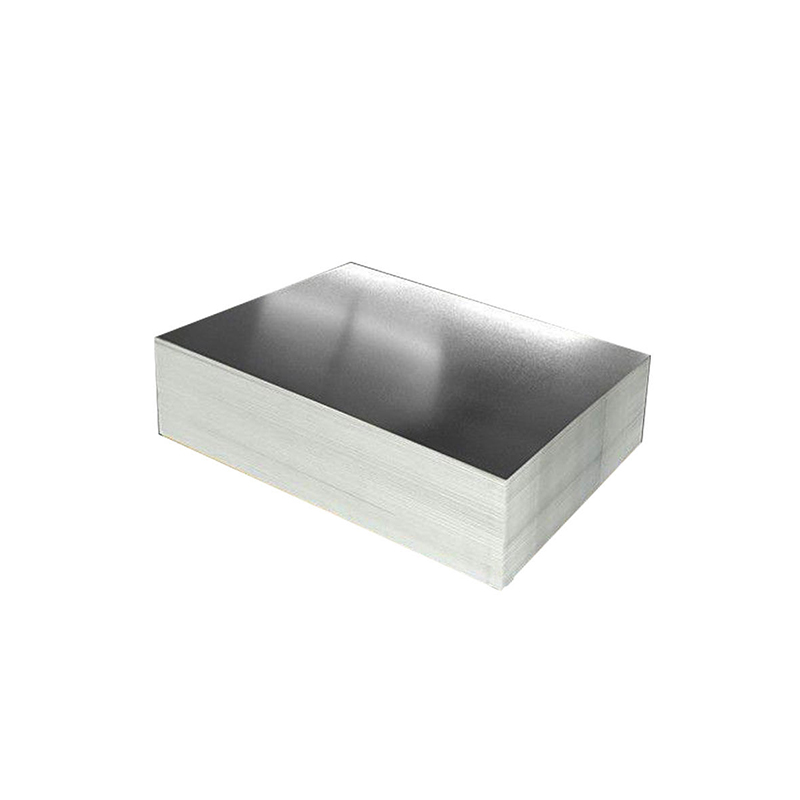
Overview of Differential Thickness Tinplate Steel
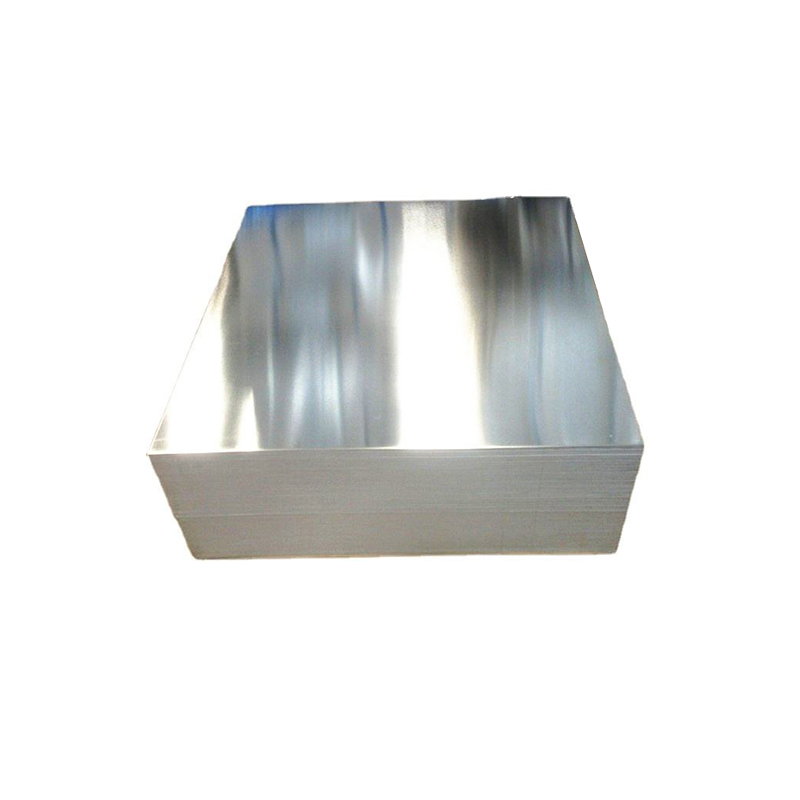
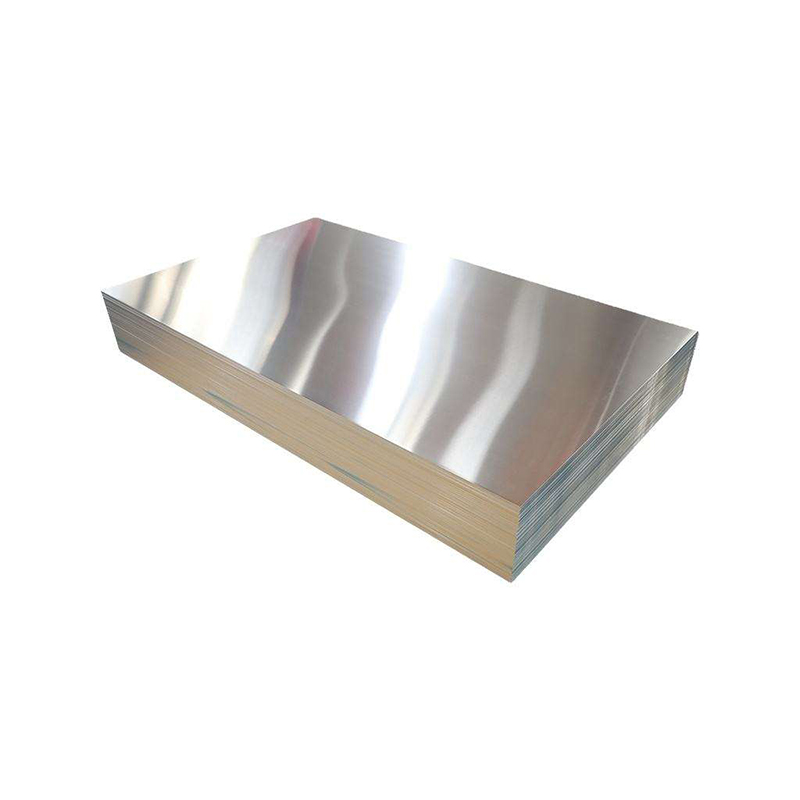
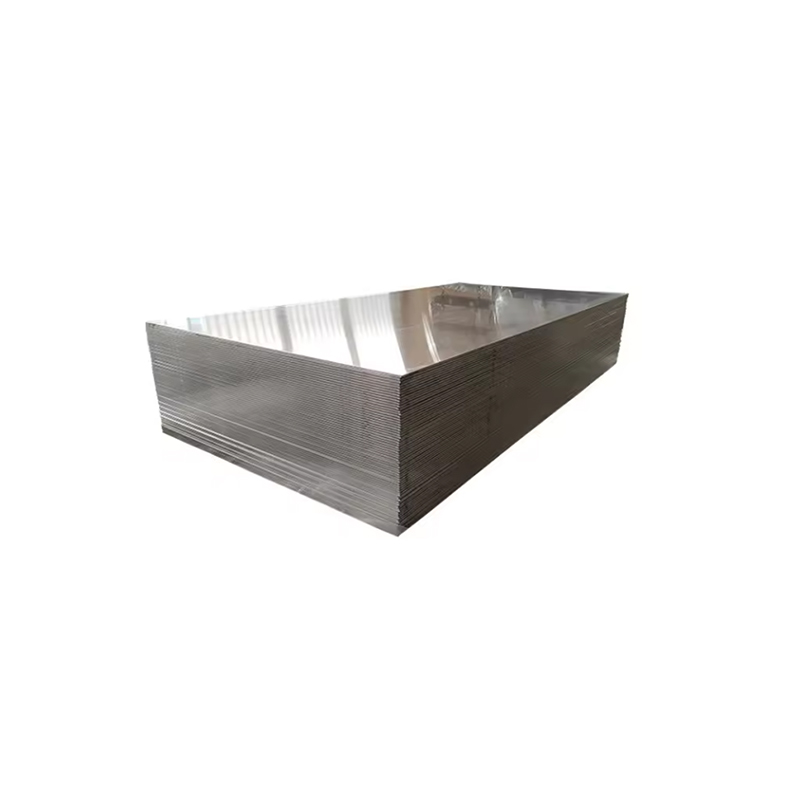
Differential Thickness Tinplate Steel is a cold-rolled electroplated tinplate with different tin coating amounts on both sides. This type of plate forms a differentiated coating thickness on both sides of the steel plate by controlling process parameters during production, which can optimize material performance and cost in a targeted manner to meet different material performance requirements in specific scenarios.
Product Parameters
Surface State of Tinplate
Substrate Type
Coating Weight
Chemical Composition
Mechanical Properties & Applications
Core characteristics of Differential Thickness Tinplate
1. Asymmetric coating design: By adjusting the electroplating process, the weight of the tin layer on both sides of the steel plate is different, and the coating ratio can be flexibly customized according to the actual use scenario.
2. Performance adaptability: The differential thickness coating design can take into account the corrosion resistance, processability and cost control of the material. For example, in the field of food packaging, the coating thickness on the side in contact with the content can be optimized to improve protection, while the other side can be appropriately thinned to reduce costs.
3. Process complexity: Production requires precise control of parameters such as electroplating current and time to ensure that the difference in thickness of the coating on both sides is stable, and high requirements are placed on production equipment and technology
Key links in the production process of tinplate
1. Cold rolling and heat treatment: It is necessary to eliminate work hardening through large-scale rolling deformation, and regulate the performance of the plate through continuous annealing process (such as 780℃+220mm/min continuous annealing process).
2. Surface treatment: Including processes such as electroplating tin or lead-tin alloy plating. The difference in thickness of the tinplate on both sides needs to be precisely controlled in this link.
3. Quality inspection: The first-level tinplate needs to pass online inspection to ensure that there are no defects such as penetrating pinholes and excessive thickness deviation. The second-level tinplate allows small non-fatal defects.
Application areas of tinplate
Tinplate is widely used in many industries due to its excellent corrosion resistance, processability and coating properties:
1. Food packaging: such as canned containers, which must meet hygiene standards and anti-corrosion requirements.
2. Building decoration: used for roof and wall decoration, etc., taking advantage of its atmospheric corrosion resistance.
3. Automobiles and machinery: as a component material, it is necessary to take into account both formability and coating adhesion.
4. Hardware kitchenware: improve aesthetics and durability through painting and printing
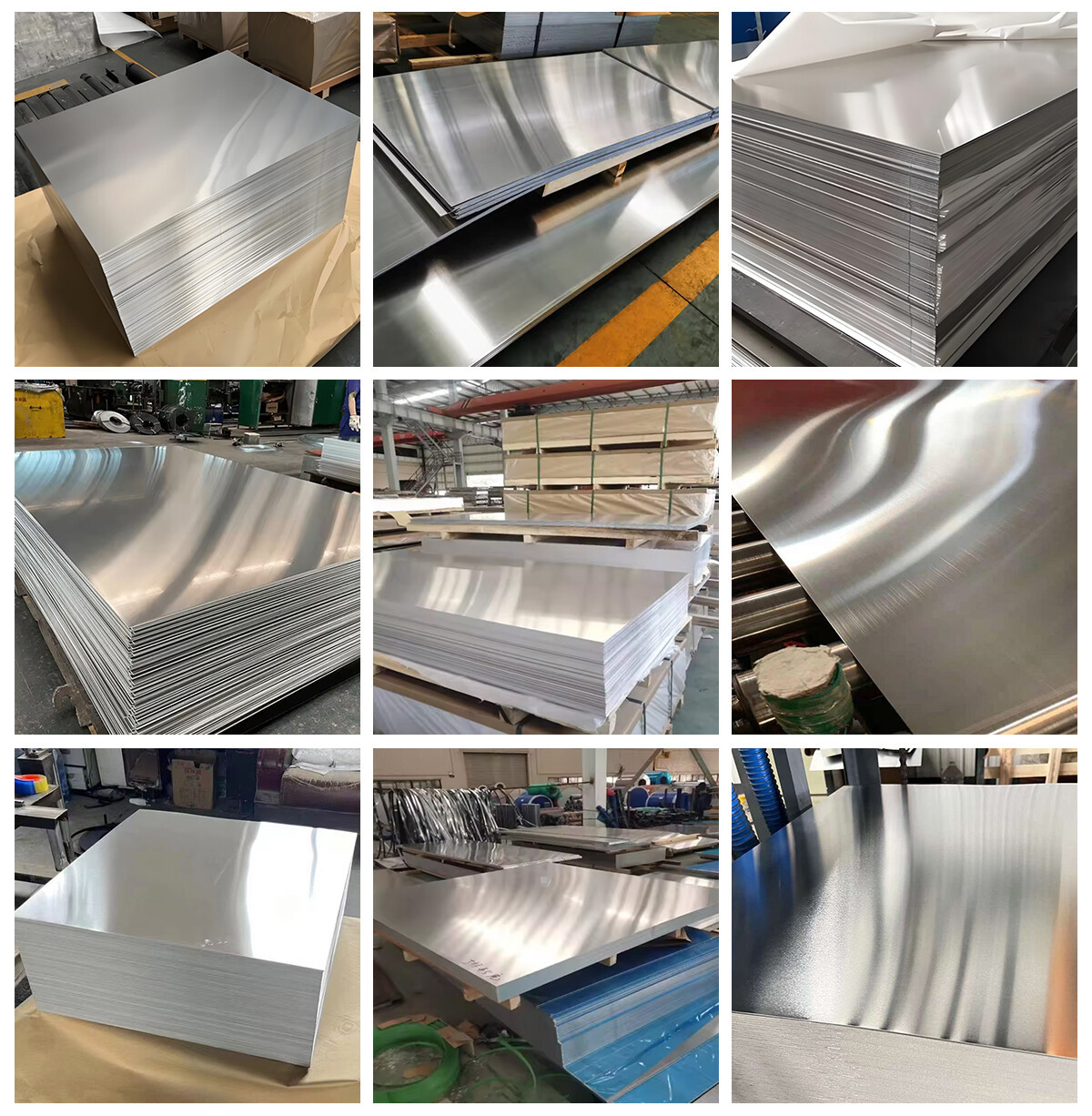
PRODUCT DISPLAY
CERTIFICATE
CUSTOMER FEEDBACK


FAQ
Q1: Are You Manufacture or Trade Company?
A1: We are the professional manufacturer of stainless steel, carbon steel, aluminum products located in Shandong province, China. Welcome to contact us and visit our factory before you place orders.
Q2: How do you guarantee the quality?
A2: We can send free samples to you, we can accept third-party testing.
We also have test certificate, every batch goods will be testing before shipment, and the testing report will delivery to you with your goods.
Q3: Can I get free samples?
A3: Of course you can. We can produce according to your samples or technical drawings. Contact us by whatsapp or email to get free samples and you will get the sample after 3-7 working days.
Q4: What is the MOQ?
A4: If you are scheduling to place a small quantity order or trial order, feel free to contact us, we can meet your requirements.
Q5: Can you OEM or ODM?
A5: Yes, we have a strong developing team. The products can be made according to your request
Q6:What are the certifications for your products?
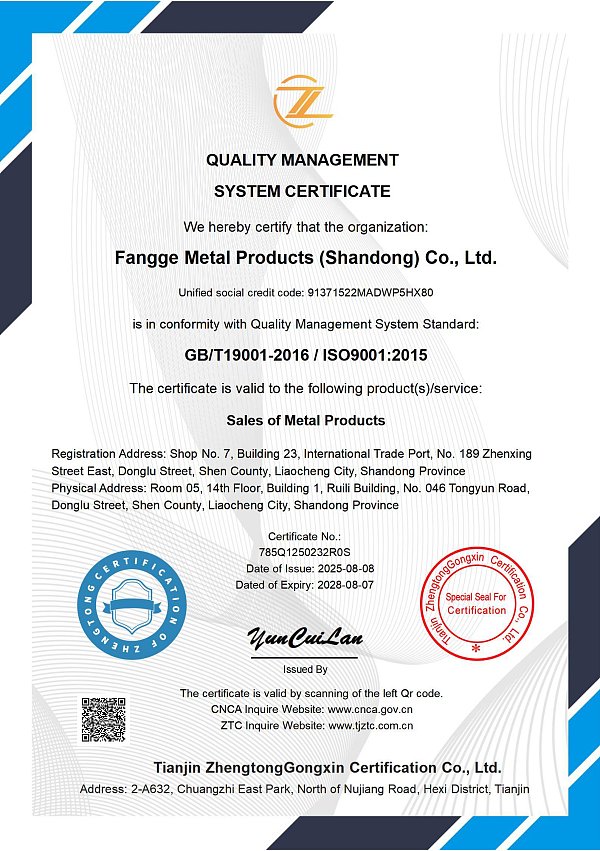
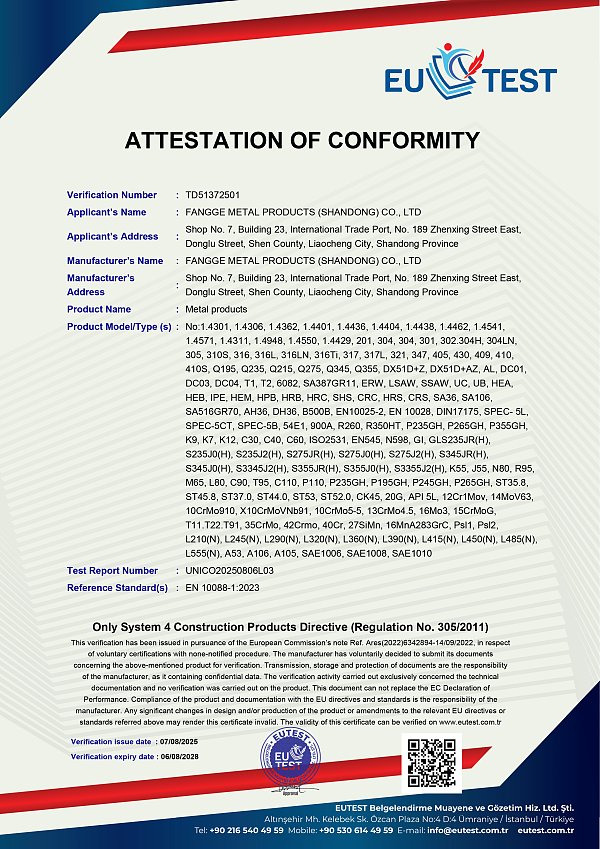
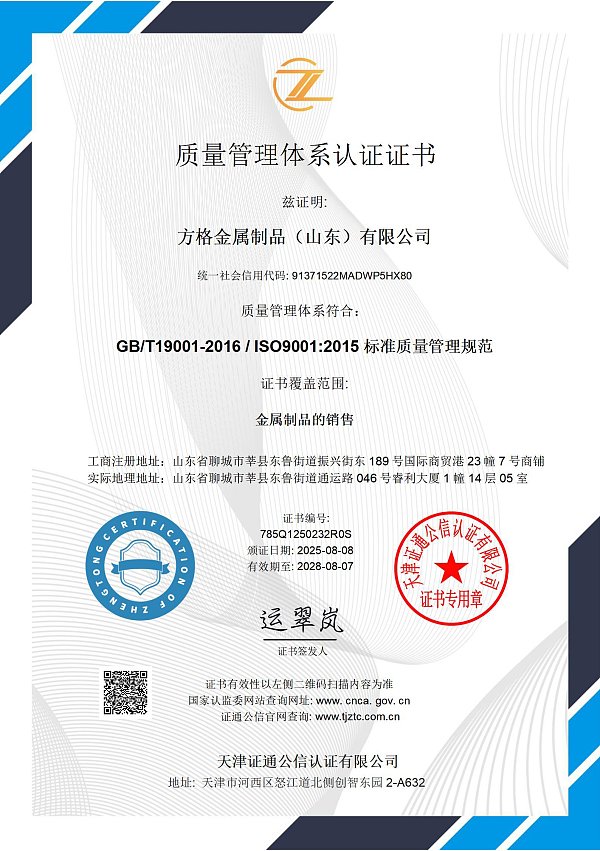
A6:We have ISO 9001, SGS, EWC and other certifications.
INQUIRY
To learn more about this product, you can submit your requirements here
RELATED PRODUCTS



Chat Online